Need emergency tree removal in Hayward?
Request a callback to check provider availability, or request an estimate and describe your tree. A local provider reviews the job and quotes it in writing.
No obligation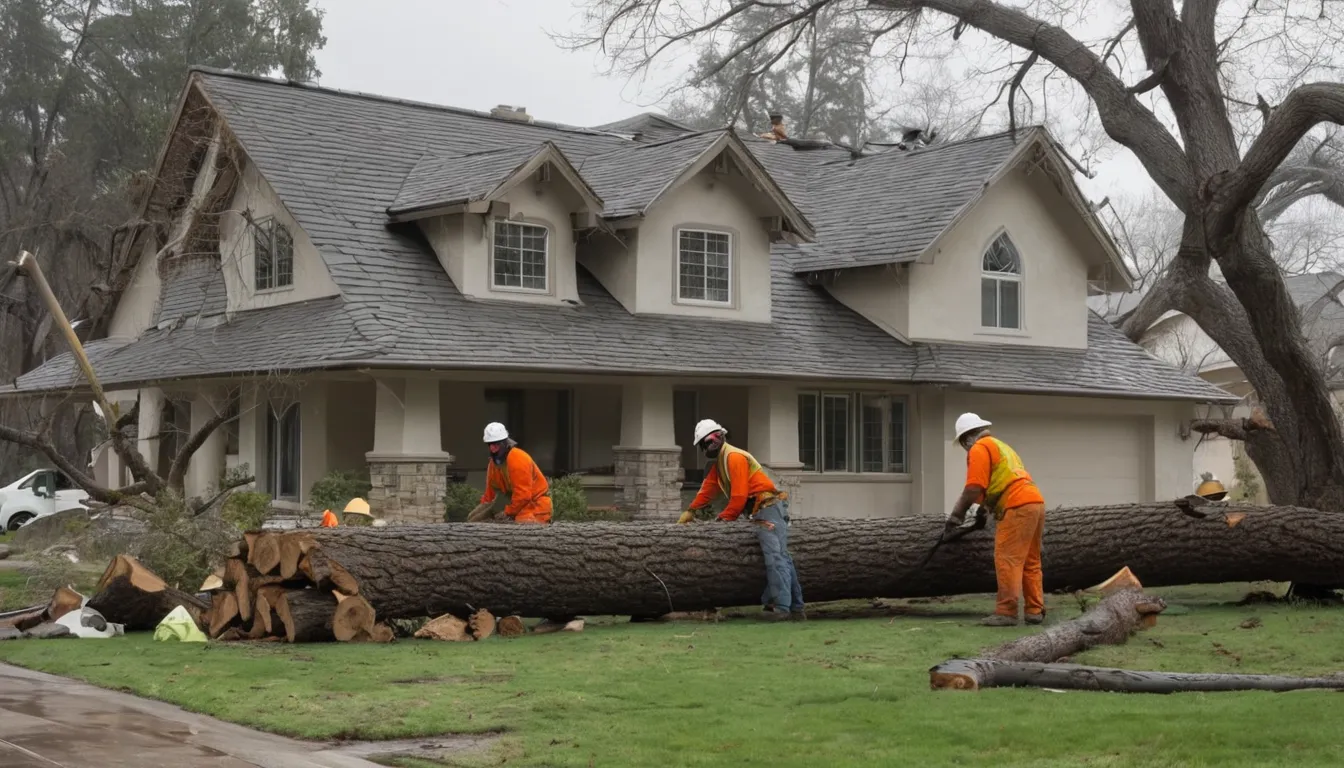
An emergency tree is one that has already fallen, split, or shifted in a way that threatens people or property. It may be on a roof, across a driveway, or leaning over a bedroom after a winter rain event. These jobs carry real risk, so they are not a weekend project.
Mydiscoverybenefits Tree Service is a referral service. We do not cut or haul anything. We connect homeowners in the Hayward area with independent providers who offer a tree falling service and storm tree clearance. Request a callback to check provider availability, or request an estimate online. Whoever you hire, ask for a written scope, a clear price, and proof of insurance before any saw starts.
A tree on a house, a car, or a power line is a serious moment. Slow down. Your safety matters more than the tree.
Do:
Do not:
Request a callback to check provider availability in your area.
Some situations need fast action. Others only feel urgent. Here is how to sort them.
A hanging limb over a yard, a dead tree far from any building, or a small crack in a branch can usually wait for a scheduled visit. Still, do not ignore them. Keep people and pets away until a provider looks.
Most jobs follow the same path. Knowing it helps you spot a provider who cuts corners.
1. The provider checks for power lines, gas, and unstable weight. 2. They secure the area and plan where each piece will go. 3. Climbers or a crane section the tree from the top down. 4. Crews haul away debris or stack it, based on your agreement.
A tree under tension can snap back with great force. That is why the plan comes first and the saw comes second. Quote before cutting is a good rule for every job.
Emergency tree removal costs more than a planned job. Several things push the number up or down.
The table below shows typical U.S. ranges. Your job may land outside them.
A verbal price can change once the tree is half cut. A written scope, clear price protects you. It should name what is being removed, what is hauled off, and what is left behind.
Safety before savings. A very low bid may mean missing insurance or rushed work. Ask for the scope in writing, even in a hurry.
Some policies may cover sudden damage from a fallen tree. Coverage depends on your plan, your deductible, and the cause. Check your policy or ask your agent.
Providers can often help document damage for a claim. Ask for itemized invoices and dated photos. Keep every receipt. Do not wait on an adjuster to make the area safe, but take your own photos first.
In regions with long dry seasons, a sudden run of winter storms can catch trees off guard. Dry soil loosens, then heavy rain saturates it. Roots lose grip and whole trees can tip.
After a big storm, expect busy schedules. Providers may triage by danger first. Tell them clearly if a tree is touching a structure.
Long dry spells stress trees. Dead limbs drop without warning, and dry wood adds to fire risk near homes. During wildfire smoke periods, air quality can be poor, so cleanup may shift in timing.
Open up a plan early. A provider can look at stressed trees before the next storm arrives.
Many tract homes and older bungalows sit close to mature trees. Stucco walls, low rooflines, and small lots limit where a trunk can fall and where equipment can go. Mention your layout when you ask for an estimate. Access often decides the method and the price.
Once the tree is gone, a stump remains. Many providers also offer stump grinding, which can be scheduled later. Ask whether it is included in your quote or priced as a separate line.
Be wary of pressure to sign on the spot, cash-only demands, or a refusal to show insurance. A real provider will explain the plan and put it on paper.
Safe sectioning and hauling of trees that have come down on yards, roofs, or driveways.
Clearing broken limbs and blocked access after heavy winter rain or wind has hit your property.
A tree falling service for leaning, split, or unstable trees that threaten your home.
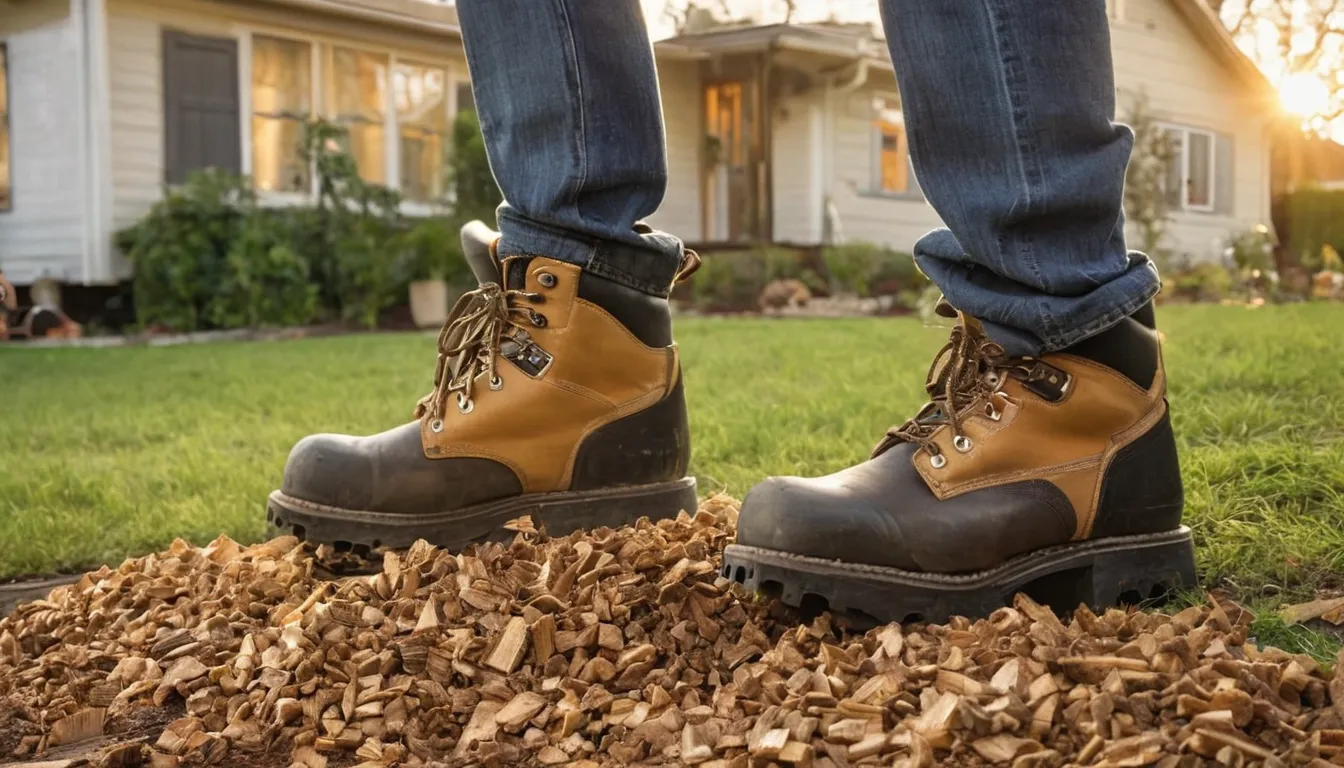
Removal of logs, branches, and chips, with details set out in your written quote.
Emergency work often costs more than a planned job. These are typical U.S. ranges only. Your price depends on size, access, and equipment, so always get a written quote.
| Item | Typical range | Notes |
|---|---|---|
| Small downed tree, clear access | $300 – $900 | Light cutting and haul-off |
| Large downed tree in yard | $800 – $3,000 | Size and species matter |
| Tree on roof or house | $1,500 – $10,000 | Often needs careful rigging |
| Crane or bucket truck add-on | $500 – $2,500 | Protects structures, adds cost |
| Rush or storm demand premium | 10% – 100% extra | Varies by provider and demand |
| Stump grinding after removal | $100 – $600 | Priced by stump diameter |
Move people away, stay clear of wires, and contact emergency services if anyone is hurt.
Request a callback to check availability, or send an estimate request online.
Compare the written scope, price, and proof of insurance.
The provider cuts, hauls, and tidies the site as agreed.
We encourage you to hire providers who can show proof of insurance, not only a low number.
Ask for a clear price on paper before any cutting begins.
Independent providers in our network know local weather and housing.
Simple do and do not advice helps you avoid costly mistakes.
Request a callback to check provider availability, or request an estimate and describe your tree. A local provider reviews the job and quotes it in writing.
No obligationGet everyone out of the area, contact emergency services if anyone is hurt, and stay away from wires. Take photos from a safe distance. Do not try to cut the tree yourself.
Typical U.S. costs run from a few hundred dollars for a small downed tree to several thousand when a tree is on a roof. Rush demand and equipment can raise the price. Always get a written quote first.
Some policies may cover sudden damage from a fallen tree, but coverage varies by plan, deductible, and cause. Check your policy or ask your agent. Providers can often help document damage for a claim, so keep photos and invoices.
Request a callback to check provider availability, or request an estimate and describe your tree. A local provider reviews the job and quotes it in writing.
No obligation