Need home stump grinding in Hayward?
Request a callback to check provider availability, or request an estimate and describe your tree. A local provider reviews the job and quotes it in writing.
No obligation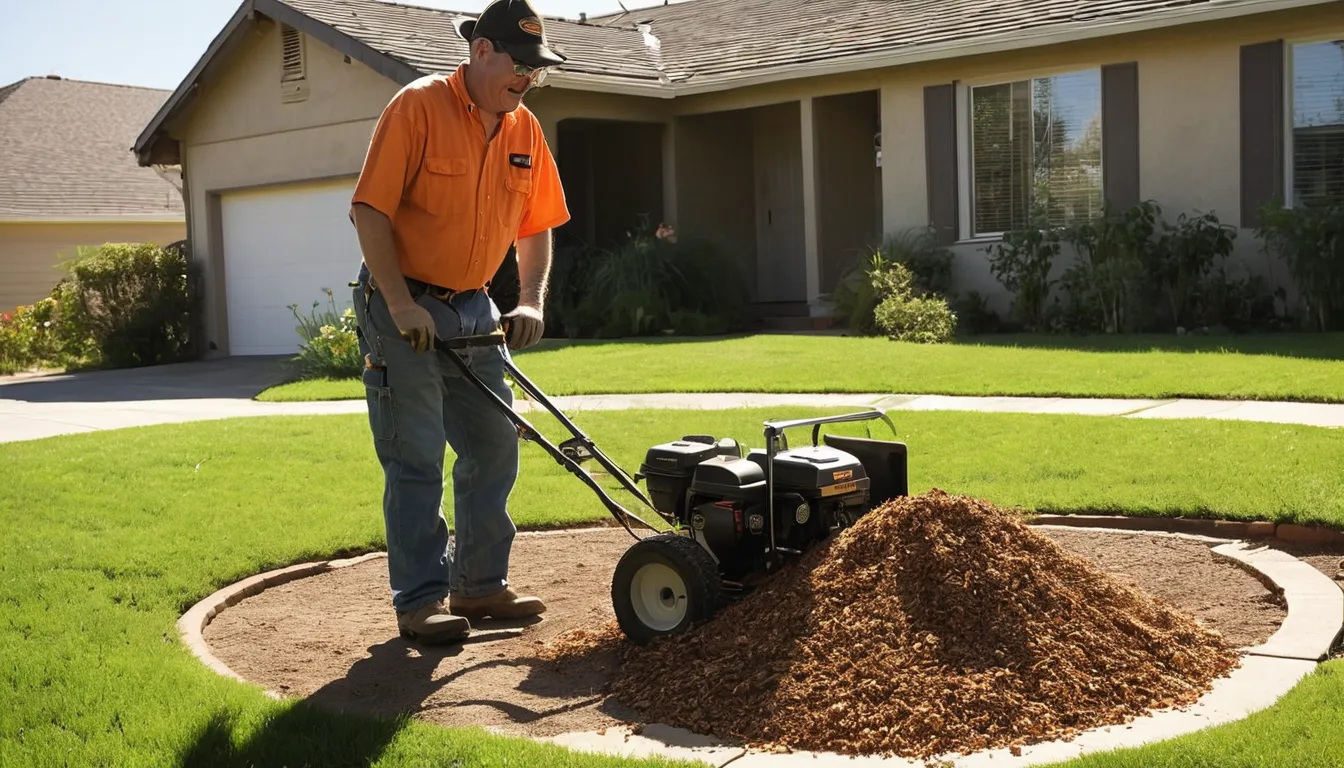
A stump left in the yard is easy to ignore, until someone trips on it or new shoots pop up in the lawn. Stump grinding is the common fix. A provider in our network brings a grinder, cuts the wood down below ground level, and leaves chips and loose soil that you can level and replant. It works on stumps from a recent tree falling service job and on ones that have sat for years.
Mydiscoverybenefits Tree Service connects homeowners with independent local providers. The providers do the grinding, not us. Here we explain what drives the price, show typical U.S. ranges, and urge you to get a written quote first. Seasons and soil matter too, so timing is worth a quick question.
A stump looks harmless. It is not. Left alone, it can hurt a foot, wreck a mower blade, and attract pests. Stump grinding is the usual fix. A provider in our network uses a machine to chew the stump down below ground level. This page explains what to expect, what drives the price, and how to avoid costly mistakes.
Most stump trouble builds slowly. Then one day someone trips, or the lawn starts to sink.
Stumps hide in tall grass. Kids, pets, and guests can fall over them. Mowing near one can also throw debris. Safety before savings: do not ignore a stump in a play area or on a path.
Dead wood draws termites, carpenter ants, and fungus. Pests can move from the stump to a fence, a shed, or the house itself. Rot is also a sign the stump is getting weaker underfoot.
Many stumps send up new shoots for years. Roots can also push against paving or a slab edge. Grinding removes the stump, though some roots stay in the soil and slowly decay.
Older bungalows and stucco ranch homes can have roots running close to the foundation. Ask the provider to check this before grinding. Do not dig around the stump yourself.
The provider walks the site and marks the stump. A grinder with a spinning cutting wheel sweeps side to side. It turns the wood into chips, usually several inches below the surface. Chips pile up around the hole. Some providers rake them back in. Others haul them away for an added charge. The work is loud and throws debris, so keep people and pets indoors.
Grinding shreds the stump but leaves most roots to rot. Full stump removal digs out the stump and major roots with heavy equipment. It costs more and tears up the yard. Grinding fits most lawns and garden beds. Removal may suit a spot where you plan to pour concrete or build.
Providers price stump work in a few common ways. These are the factors that move the number most.
Wider stumps take longer. Many providers price by the diameter inch and set a minimum charge. Several stumps in one visit may cost less each, since the machine only travels once.
A gate narrower than the grinder, a steep slope, or a backyard with no side path can raise the price. Smaller machines are slower.
Surface roots, rocks, old fence wire, or concrete slow the job and can damage blades. Mention anything you know is buried.
Ask for a written scope, clear price. It should list each stump, the grind depth, and cleanup.
A little prep keeps the visit safe and the price steady.
Many stumps are leftovers. A tree falling service often cuts the trunk and leaves the stump behind. The same can happen after emergency tree removal or storm tree clearance, when the focus is getting a tree off a roof or road. You can grind those stumps later, even years on. Older, drier wood may take longer. Tell the provider how old the stump is when you ask for a quote.
Stumps can be ground in most months. Long dry seasons leave firm ground that is easier on a heavy machine. Winter rain events can soften soil, and a grinder can tear up a soggy lawn, so some providers wait for drier days. During wildfire smoke seasons, schedules can shift, so ask. Grinding before spring helps stop sprouts and pests. Request a callback to check provider availability.
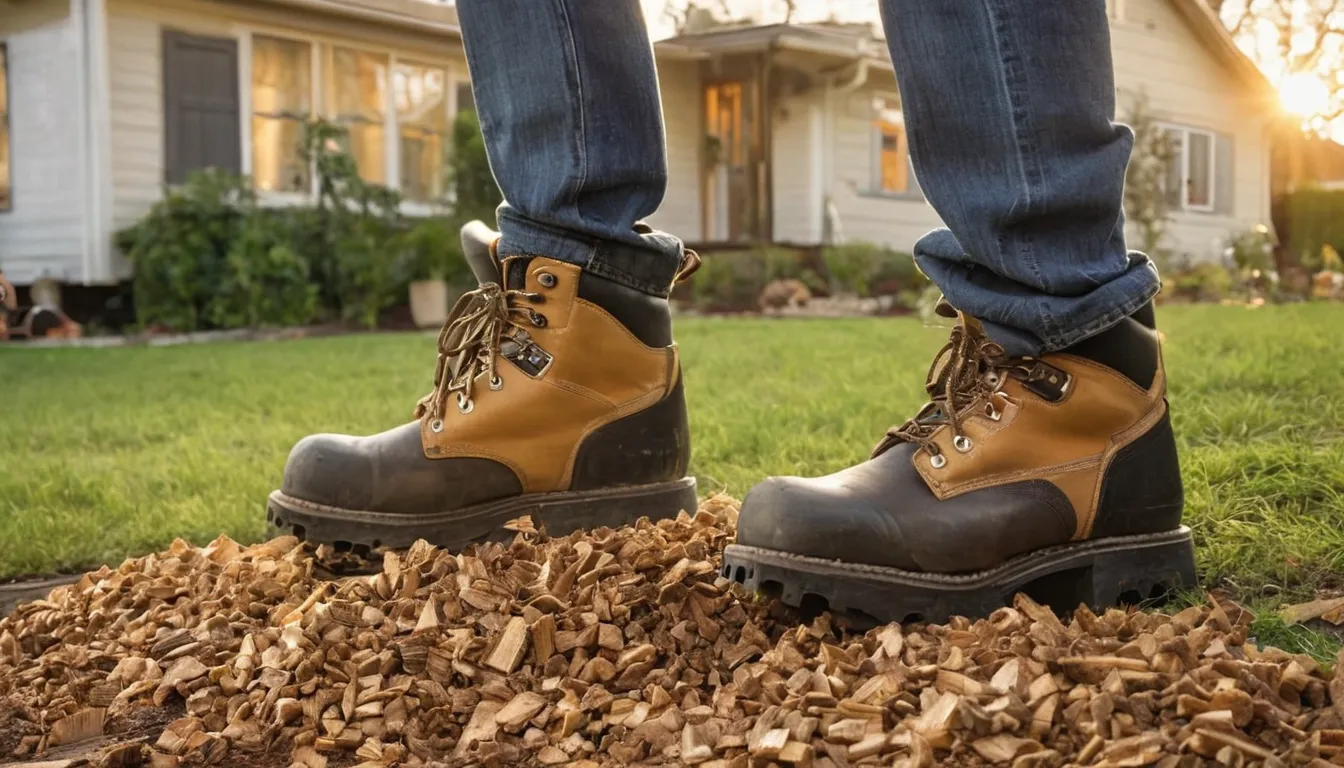
Expect a mound of chips and loose soil. Fill the hole, tamp it down, and add sod or seed. Chips can work as mulch in garden beds, but keep them a few inches from walls. The soil may settle, so top it up after a few weeks. Do not plant a new tree on the same spot right away. Let the chips break down first.
Quote before cutting. Request a callback to talk through your yard, or send your details and compare a written quote.
The provider grinds the stump several inches under the surface so you can mow or plant.
Visible surface roots beside the stump can be ground too when you ask for them in the quote.
Providers may rake chips into the hole, leave them as mulch, or haul them away for a fee.
Several stumps in one visit are common, and the written quote should list each one clearly.
These are typical U.S. ranges, not offers. Real prices vary by stump size, access, roots, and cleanup. Always get a written quote that lists the scope before any work starts.
| Item | Typical range | Notes |
|---|---|---|
| Small stump (under 12 in.) | $100 – $250 | Many providers set a minimum charge |
| Medium stump (12–24 in.) | $150 – $450 | Flat rate or priced by diameter inch |
| Large stump (over 24 in.) | $400 – $1,000 | More wood, more time on site |
| Price per diameter inch | $2 – $5 | Common method; ask about the minimum |
| Extra stumps in one visit | $75 – $300 each | Varies by size and spacing |
| Hauling chips, fill, or root work | $50 – $300 | Add-ons; confirm what is included |
Share how many stumps you have, their rough width, and how a machine could reach them.
Compare scope, grind depth, cleanup, and price before saying yes.
Choose a day with dry ground and clear the path ahead of time.
The provider grinds the stump, you decide what to do with chips, then level and replant.
A written scope lists each stump, depth, and cleanup, so the final bill matches what you agreed to.
Ask for proof of insurance before the grinder starts up.
Know what is included, such as chips, fill, and roots, before work begins.
Dry ground is easier on lawns, and winter rain may delay the visit.
Request a callback to check provider availability, or request an estimate and describe your tree. A local provider reviews the job and quotes it in writing.
No obligationTypical U.S. prices run from about $100 for a small stump to $1,000 or more for a very large one. Size, access, and roots change the number, so get a written quote first.
Grinding suits most yards because it is faster and leaves the lawn mostly intact. Full removal digs out major roots and costs more. Choose removal if you plan to build or pour concrete.
Many stumps take under an hour, while wide or very hard ones take longer. Extra roots, rocks, and tight access add time, so ask the provider for an estimate when you request the quote.
Request a callback to check provider availability, or request an estimate and describe your tree. A local provider reviews the job and quotes it in writing.
No obligation