Need tree removal in Hayward?
Request a callback to check provider availability, or request an estimate and describe your tree. A local provider reviews the job and quotes it in writing.
No obligation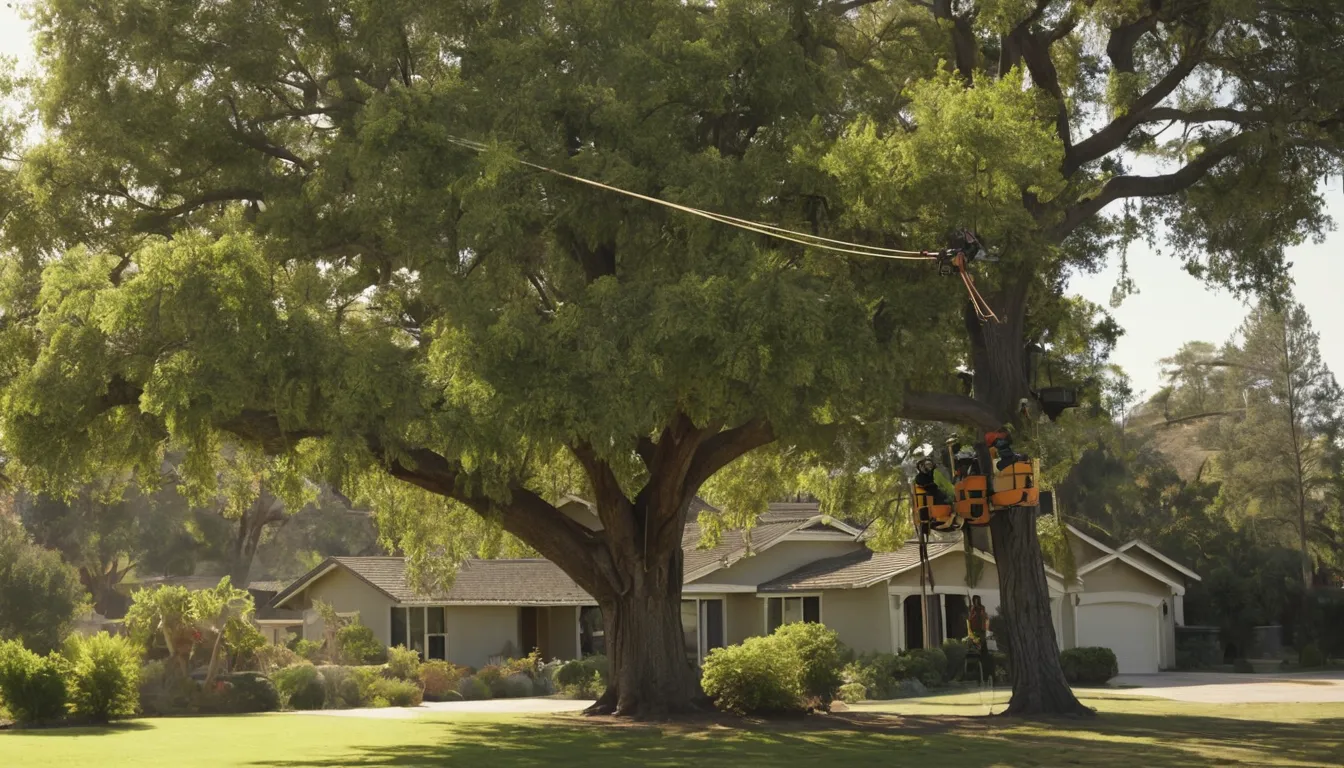
A tree that leans, splits, or drops limbs is more than a yard problem. It can hurt people and damage roofs, fences, and cars. Cutting one down is skilled work that needs the right gear, training, and insurance.
Mydiscoverybenefits Tree Service is a referral service. We do not cut trees. We connect homeowners in Hayward and the Hayward area with independent providers in our network who handle the climbing, cutting, and hauling. This page explains how a removal works, what drives the price, and what to ask before anyone starts. Quote before cutting is the rule here. Read the steps, compare written quotes, and choose a provider who can show proof of insurance.
Look at the tree from a safe distance. Is it leaning more than last week? Do you see fresh cracks, lifted soil at the base, or heavy limbs over the roof? Then treat it as urgent.
Request a callback to check provider availability for a tree that looks unstable.
A tree weighs far more than it looks. Wood under tension can snap back. A limb can swing into a roof or a neighbor's fence. Ladders and saws make every mistake worse. Providers use ropes, rigging, and training for a reason. Safety before savings: a cheap weekend of DIY can end in an emergency room visit or a hole in the roof.
Most removals fall into a few groups:
Sometimes trimming is enough. A good provider will tell you if the tree can stay.
Every job is a little different. Most follow the same path.
The provider checks the size, lean, health, and what sits below the tree. Then they pick a method. Some trees fall in one piece. Others come down in sections on ropes.
The crew marks a drop zone and protects what it can. On tight lots, such as many older tract homes, sectional cutting is common.
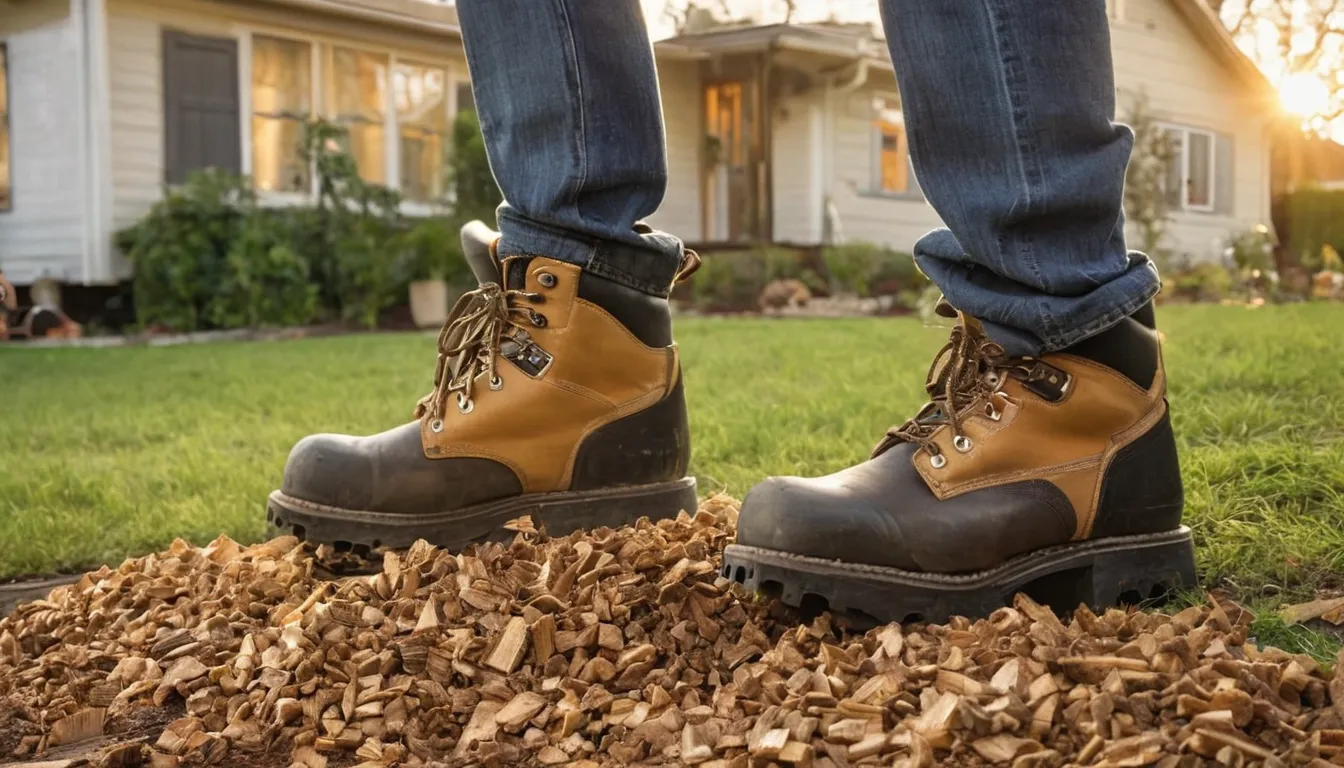
Branches go through a chipper. The trunk is cut to lengths and hauled away, or left if you ask. Confirm what is included before the day starts.
Price follows risk and effort more than anything else.
Typical U.S. jobs run from a few hundred dollars for a small tree to several thousand for a large, hard-to-reach one. Your local price will vary.
Quote before cutting. A solid quote names the tree or trees, the method, the cleanup, the hauling, any stump work, and the total. Written scope, clear price.
Do not accept a number tossed over the fence. Do not pay the full amount up front. Do compare two or three quotes line by line.
Some cities protect certain trees, especially large or older ones. Some require a permit for any removal. Others only care about trees near the street. Rules differ by city, county, and lot.
Ask the provider if a permit applies, and confirm with your local city office. A tree on a shared property line may need written agreement from both owners.
Long dry seasons leave trees stressed and brittle, so limbs can drop with little warning. Dead trees close to a home also add to wildfire worry, so clearing them before the dry months is wise.
Winter rain softens the soil. That can loosen roots and make heavy equipment harder on a lawn. During smoke seasons, providers may adjust schedules for air quality and visibility.
Near the coast, mild weather keeps the calendar open for much of the year. Fall is a smart time to plan, before the rain arrives.
Providers in our network are independent businesses. Check each one's documents yourself.
Walk the yard with the provider. Check the roof, gutters, fence, and lawn. Confirm the debris is gone and the wood went where you agreed.
If a storm caused sudden damage, some policies may cover it, so check your policy. Providers can often help document damage for a claim. Then plan the open spot: a stump decision, new soil, and maybe a smaller tree that suits your lot.
You do not have to solve this alone. Request a callback to talk through the job, or request an estimate and compare written quotes at your own pace.
A provider checks the tree's size, lean, and health, then explains the safest way to take it down.
Trained crews use ropes, rigging, and proper gear to control every cut and protect your home.
Branches are chipped and logs hauled away, as long as the written scope says so.
Get the method, cleanup, and total price on paper before any cutting begins on your property.
These are typical U.S. ranges and vary by job, tree, and location. Size, access, and hazards move the price most. Always get a written quote that lists exactly what is included.
| Job type | Typical range | Notes |
|---|---|---|
| Small tree (under 30 ft) | $200 – $800 | Easy access keeps the price down |
| Medium tree (30–60 ft) | $500 – $1,500 | Often cut in sections |
| Large tree (over 60 ft) | $1,000 – $3,000+ | More crew, gear, and time |
| Near house or wires | $1,500 – $4,000 | Added risk and rigging work |
| Hauling away wood | $100 – $500 | Sometimes bundled, sometimes extra |
| Permit or tree report | $50 – $500 | Only where local rules require it |
Tell us about the tree, its size, and what is near it. Or Request a callback to check provider availability.
A local provider in our network reviews the job and contacts you directly.
Check the method, cleanup, hauling, and total price. Ask questions before you agree.
Pick a date with the provider, prepare your yard, and check the work afterward.
Providers work with proper gear and training, so falling limbs do not become your emergency.
Written scope, clear price. You see what is included before work starts.
Ask each provider for proof of insurance before the day of the job.
Providers know area weather, soil, and city rules.
Request a callback to check provider availability, or request an estimate and describe your tree. A local provider reviews the job and quotes it in writing.
No obligationTypical U.S. prices run from a few hundred dollars for a small tree to several thousand for a large or hard-to-reach one. Height, access, hazards, and hauling change the total, so get a written quote.
It depends on your city, county, and the tree. Some places protect larger or older trees. Ask the provider and check with your local city office before any cutting begins.
Some policies may cover sudden damage, such as a tree that fell in a storm. Routine removal is often not covered. Check your policy, and ask the provider to help document the damage.
Request a callback to check provider availability, or request an estimate and describe your tree. A local provider reviews the job and quotes it in writing.
No obligation